


Unleashing the Power of Drones: Revolutionizing Building Inspections with Speed, Safety, and Precision!


Drones have rapidly emerged as transformative tools in various industries, and building inspections are no exception. In an era where efficiency, safety, and accuracy are paramount, drones are reshaping how inspectors evaluate structures. This blog post explores how drone technology enhances building inspections, making them faster, safer, and more precise than ever imagined!
The Traditional Method of Building Inspections
Before drones took center stage, building inspections were often time-consuming and risky. Inspectors relied on scaffolding, ladders, and sometimes even helicopters to access difficult-to-reach places. These methods not only prolonged the inspection process but also exposed workers to potential hazards.
The tedious nature of traditional inspections meant longer downtime for properties, disrupting everything from construction timelines to routine maintenance. It was clear that a rethinking of inspection methods was necessary to boost efficiency without compromising safety.
Drones: An Overview
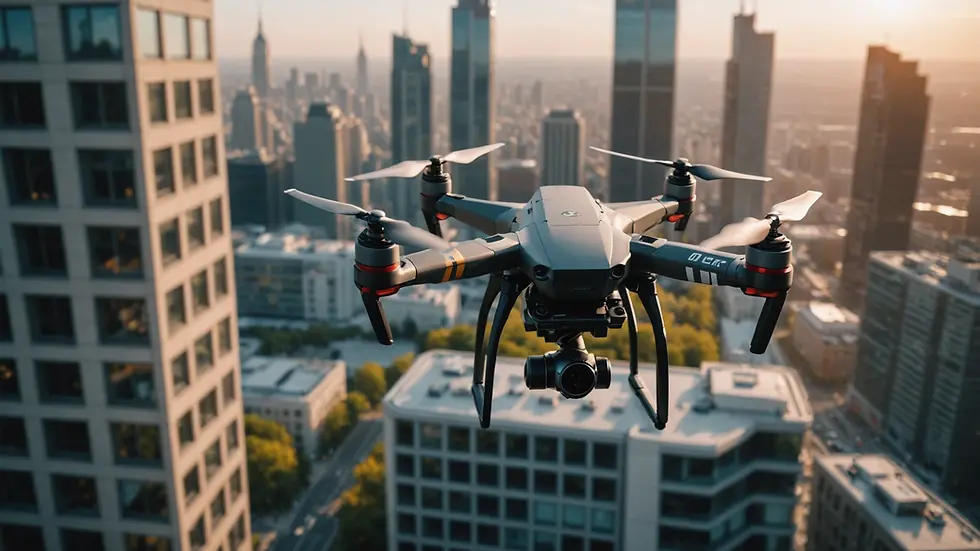
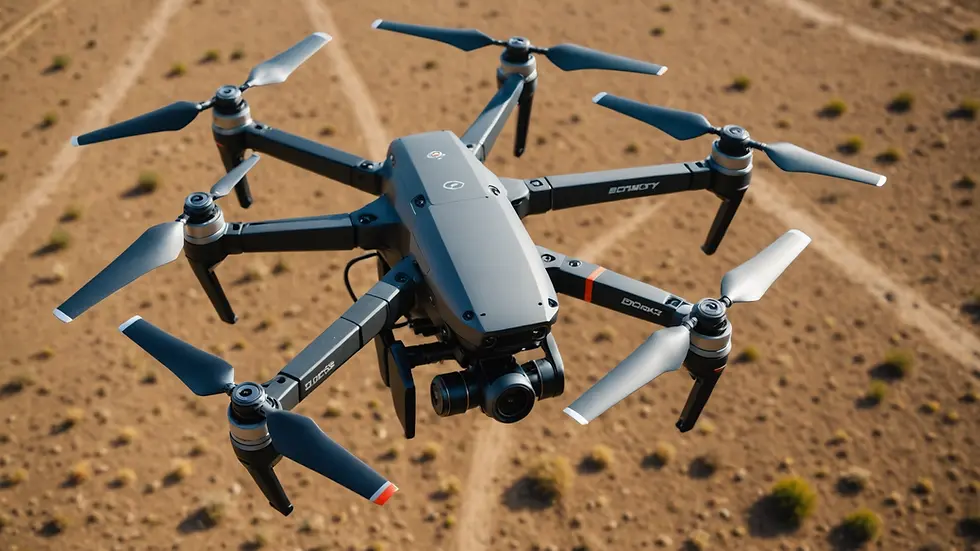
Drones, or Unmanned Aerial Vehicles (UAVs), are remote-controlled flying devices equipped with cameras and sensors. They can be fitted with high-resolution cameras, thermal imaging devices, and LiDAR technology, allowing for various inspections and assessments.
The integration of drone technology into building inspections has revolutionized the process by providing aerial views that were once only accessible through cumbersome and dangerous means. By bringing drones into the mix, inspection time dropped by more than 60%, and labor costs nearly 30%. Even better? The detailed 3D models created from drone data helped catch structural issues early, avoiding expensive setbacks and boosting the project’s overall return by about 25%. It’s proof that a little flight time can make a big difference on the ground. Read about this case study HERE!

Speeding Up Inspections
One of the most significant benefits of using drones in building inspections is speed. Traditional methods could take several hours or even days, especially for larger buildings or complex structures. Drones speed up the process dramatically, often completing inspections in a fraction of the time.
By covering large areas quickly and efficiently, drone inspections result in quicker reporting. This rapid turnaround can be a game-changer, especially in industries like real estate or construction, where timing is critical.
Enhancing Safety Protocols
Safety is paramount in any inspection process. Drones enhance safety protocols by allowing inspectors to capture images and data from a safe distance. No longer do inspectors need to precariously balance on ladders or climb scaffolding to check for roof damage or inspect high-rise facades.
Moreover, drones equipped with thermal imaging can detect heat loss or water intrusion without needing physical access, minimizing risk further. By removing human presence from potentially hazardous situations, the use of drones in building inspections contributes to a safer working environment.
Precision and Accuracy
Accuracy is key in building inspections, as even minor oversights can lead to significant long-term issues. Drones offer unparalleled precision, allowing inspectors to focus on intricate details and hard-to-reach areas. With high-resolution cameras, they can capture stunning clarity and detail, essential for identifying wear, distress, or damage.
Furthermore, drones can utilize advanced technologies like LiDAR, generating detailed 3D models of structures for comprehensive analysis. This data helps create accurate assessments and actionable insights, ensuring that all issues are addressed promptly and effectively.
Cost-Effectiveness
While the initial investment in drone technology may seem significant, the long-term benefits can lead to substantial cost savings. By reducing the time spent on inspections and enhancing safety measures, organizations can minimize labor costs and avoid potential liabilities.
Additionally, accurate data collected from drone inspections can prevent costly repairs down the line. Proactively identifying issues early on can result in lower maintenance and repair expenditures, making drone inspections not just a safe choice but a financially sound one.
Regulatory Considerations
Before adopting drone technology, it’s essential to understand the regulatory framework governing UAV usage. In many countries, specific licenses and certifications are required for commercial drone operations. Familiarizing oneself with these regulations is crucial for organizations wishing to implement drone inspections in their workflow. You can read about some of those regulations HERE!
Working with experienced and certified drone operators ensures compliance with legal standards while maximizing the benefits of this innovative technology. As regulations continue to evolve, organizations must stay informed and adapt accordingly.
The Future of Building Inspections
As drone technology continues to advance, the future of building inspections looks promising. Innovations in artificial intelligence and machine learning are set to enhance data analysis capabilities, enabling even more detailed insights from drone-collected data.
Furthermore, as drone technology becomes increasingly accessible and affordable, we can expect wider adoption across various sectors. Organizations that proactively embrace this change will significantly benefit from the advantages of speed, safety, and precision inherent in drone inspections.
Conclusion
In summary, the integration of drones into building inspections is a groundbreaking advancement that enhances speed, safety, and precision. Drones offer a viable alternative to traditional inspection methods, transforming how inspectors assess structures while providing crucial data for informed decision-making.
As technology evolves, embracing drone inspections can help organizations stay ahead in an increasingly competitive landscape. The ability to conduct efficient, safe, and accurate inspections not only benefits the immediate stakeholders but ultimately contributes to a more sustainable and resilient built environment.
Unleash the power of drones in your next building inspection and experience firsthand the revolution in speed, safety, and precision they bring to the table!


Comments