


How Drones Are Quietly Saving the Planet (And How You Can Help)


When technology meets purpose, amazing things start to happen. Drones aren’t just tools for capturing stunning views or mapping the world below, they’ve become quiet partners in protecting the planet.
From replanting forests to tracking endangered wildlife, drones are becoming essential allies for conservationists, scientists, farmers, educators, and community members who care about protecting nature. Here’s how the story unfolds when drones go from the skies to the ground with a mission to make a difference.
Eyes in the Sky for Wildlife
Sometimes the best way to protect wildlife is by staying invisible. Drones allow researchers to watch from a distance, quietly capturing what matters without disturbing the animals.
They help scientists:
Track migrations, herds, and nesting sites safely.
Capture high-resolution video of animal behaviors, giving us insights into feeding, parenting, and adapting to environmental shifts.
From orcas in Puget Sound to wolves in the Cascades, drone cameras are documenting and safeguarding life in the wild. You can read more about drones, and dogs, helping protect the Puget Sound orcas HERE!
Mapping Habitats & Helping Them Heal
Drones act like flying cartographers. With GPS and high-resolution imagery, we can:
Map wetlands, forests, and grasslands.
Pinpoint flood or fire damage.
Guide restoration crews straight to the hardest-hit areas.
In moments of disaster, drones give responders the knowledge to act faster and smarter.
Monitoring the Environment Without Leaving a Trace
Remote places often hide the most urgent environmental questions. Is a lake polluted? How clean is the air in a canyon? With drones, we can find out safely. You can read about the EPA using drones for air quality testing HERE!
Air Quality Monitoring. Sensors gather data on particulates and pollution in hard-to-reach areas.
Water Sampling. Drones collect water for pH, heavy metals, or contaminant testing, no need to put people at risk.
Drones Helping Forests Stay Healthy
Forests cover vast terrain, and drones make the challenge of caring for them far more manageable.
Spotting Sick Trees. Color analysis and thermal cameras detect stress before it’s visible from the ground.
Wildfire Risk Mapping. Drones identify dry vegetation, help track fire spread, and support firefighting teams with real-time aerial views.
Some projects even use drone-mounted seed planters to reforest damaged areas—literally dropping life back into the soil from above.

Smarter Farming with Fewer Chemicals
Farmers are embracing drones as partners in precision agriculture, reducing waste while protecting the land.
Crop Health Mapping. Identify early signs of disease or drought stress.
Pest Detection. Catch infestations early so only the affected areas need treatment.
Water Optimization. Highlight dry patches so irrigation is targeted instead of wasted.
The results? Healthier crops, higher yields, and a smaller environmental footprint.
Research Without Limits
Drones aren’t just tools for pictures, they’re research powerhouses. Outfitted with thermal, RGB, and multispectral cameras, they’re tracking:
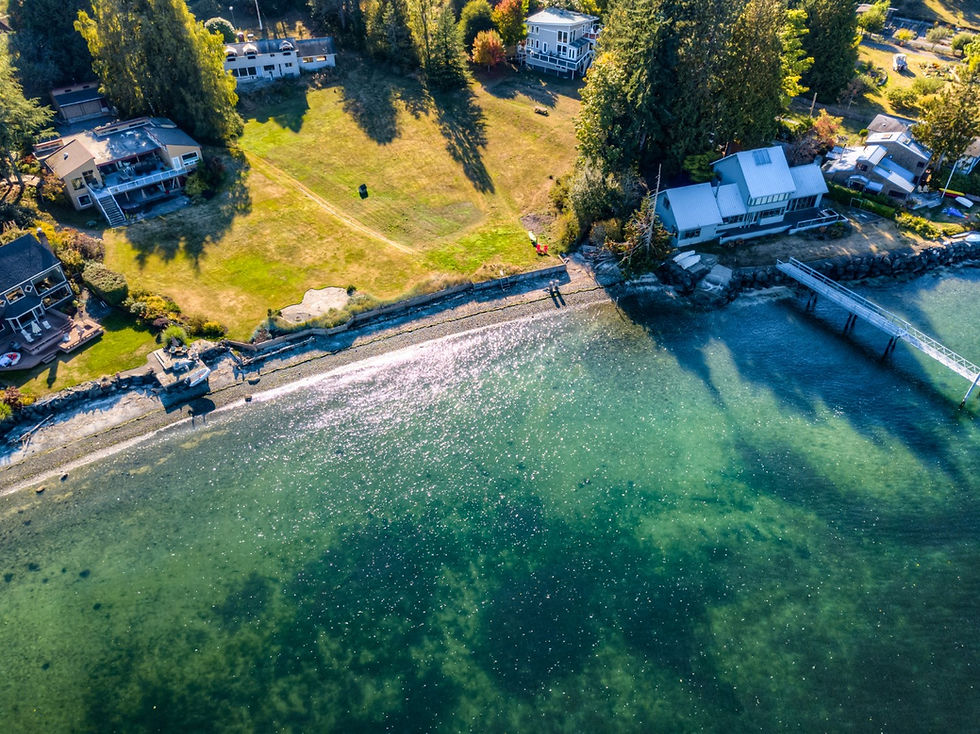
Coastal erosion in Puget Sound.
Vegetation shifts in our forests.
Urban heat islands in cities like Seattle.
Glacial changes on Mount Rainier.
This kind of data gives scientists the foundation to model climate impacts and share findings across the globe.

Getting the Community Involved
The magic of drones is that their benefits don’t stop with scientists. Communities everywhere can get involved:
Public Awareness. A single aerial video of deforestation or flooding can spark thousands of shares, and inspire real change.
Drone Education. Through our Flight Club at Edmonds Community College, we introduce kids, families, and retirees alike to the world of drones.
Volunteering for Good. We’re proud to offer free search and rescue missions, using our drones to help locate missing people, support first responders, and bring hope from above.
Looking Ahead: The Sky Is Just the Beginning
In the end, drones have become so much more than flying cameras. They’re helping us protect wildlife, restore ecosystems, and support sustainable farming in ways we never could before. With each flight, they remind us that innovation isn’t just about progress, it’s about caring for the world we share.
Want to help write the next chapter? Here’s how you can get started:
Partner with us on a conservation or restoration project.
Join a class and learn to fly for environmental good.
Introduce drone education to your school or community program.
The truth is, drones aren’t just saving the planet quietly, they’re inviting all of us to take part. Together, we can use technology to protect the places we love and ensure a healthier planet for generations to come.
Comments